
- nripage
- 24 Apr 2025
- #Global News
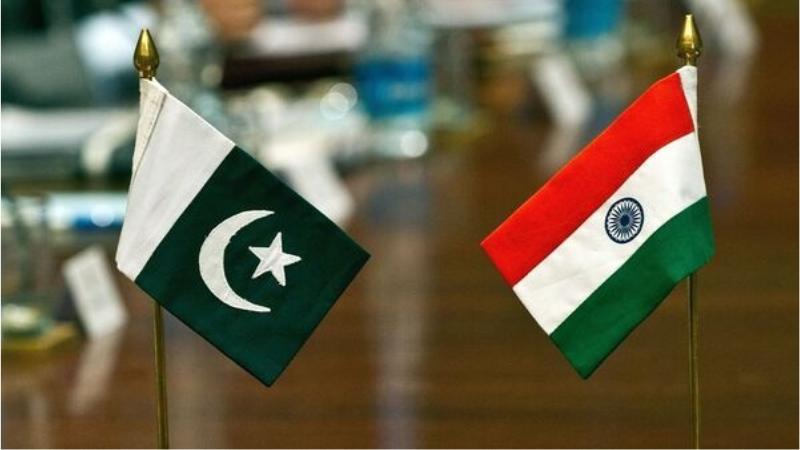
Under the 1960 Indus Waters Treaty, India had exclusive rights over the eastern rivers—Ravi, Beas, and Sutlej—while Pakistan retained rights to the western rivers—Indus, Jhelum, and Chenab. The treaty is one of the few instances of sustained cooperation between the two nuclear-armed neighbors. Its suspension marks a major shift in diplomatic policy and signals India’s readiness to use water as a pressure point in bilateral relations. The impact of the treaty’s suspension could be severe for Pakistan, which has been flagged by global experts as a water-stressed nation facing imminent scarcity. With challenges like population growth, climate change, and poor infrastructure management, the move could lead to considerable strain on Pakistan’s agricultural and domestic water needs.
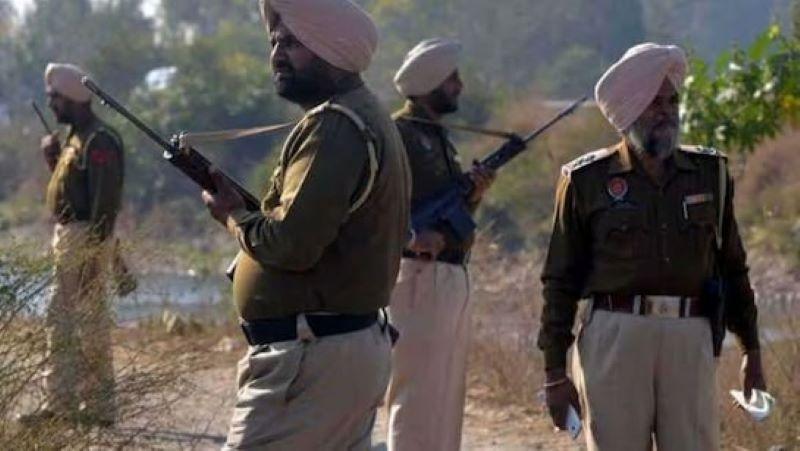
The CCS also targeted the SAARC Visa Exemption Scheme, a regional initiative intended to ease travel restrictions among SAARC member states by providing visa-free access to designated categories of dignitaries and professionals. Currently, the SVES includes 24 categories, such as parliamentarians, judges, senior officials, athletes, and journalists. India’s decision to cancel this privilege for Pakistan underlines the deterioration in trust and bilateral cooperation. The Pahalgam attack, for which The Resistance Front (TRF), an offshoot of the banned Lashkar-e-Taiba, claimed responsibility, has led to an unprecedented level of retaliation from India. The attackers targeted tourists in the Baisaran meadow—a scenic spot also known as “mini Switzerland”—by emerging from nearby pine forests and opening fire indiscriminately. The attack killed mostly Indian civilians, along with a Nepali national, and left several others injured, including foreign nationals from the UAE and Nepal.
The government has promised swift justice and has already intensified diplomatic, military, and intelligence measures in response. The recent extradition of Tahawwur Rana has further strengthened India’s resolve to pursue international legal avenues against those involved in orchestrating or financing terrorism. With these measures, India has not only demonstrated its refusal to tolerate terrorism but also signaled a potential recalibration of its long-term policy towards Pakistan. As diplomatic ties freeze and vital agreements like the Indus Waters Treaty are suspended, the geopolitical landscape of South Asia may be heading toward a phase of hardened stances and limited dialogue.






![India (Hindi Bhārat), officially the, Republic of India (Hindi Bhārat Gaṇarājya),[23] is a country India (Hindi Bhārat), officially the, Republic of India (Hindi Bhārat Gaṇarājya),[23] is a countr](https://s3.amazonaws.com/indiapsit/userfiles/articles/u/37693cfc748049e4_119f1fc03f717782.jpg)