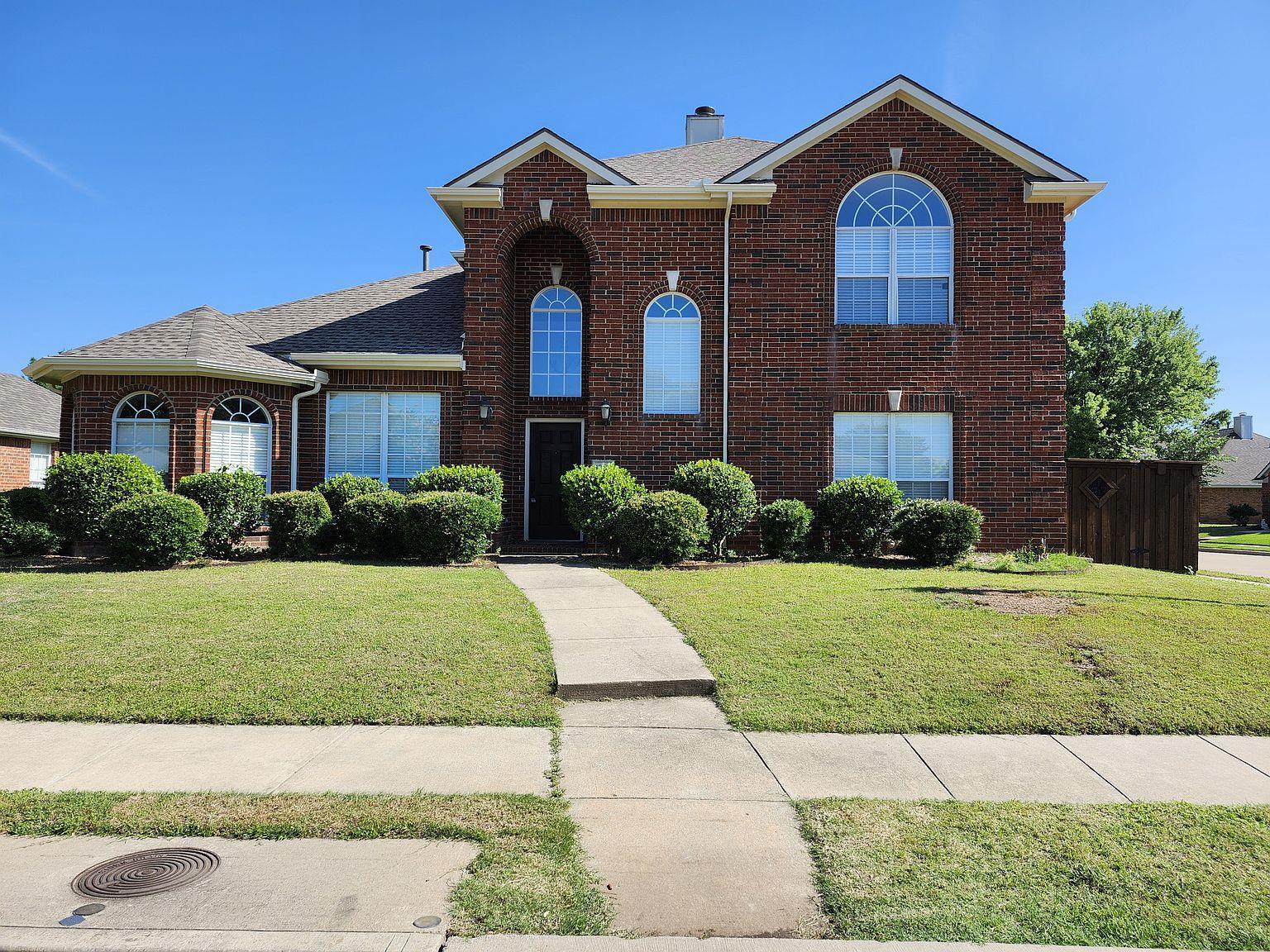
What does a home signify to its residents? What priorities determine the choice of a house? What makes a house a home? How and why do residents maintain and decorate their homes? These are some of the questions that have been posed in 13 qualitative in‐depth interviews with families living in older villas and in standard houses since the 1970s. The interviews demonstrate how residential neighbourhoods are associated with different symbolic values and how these values influence the choice of home. A lifestyle‐concept based on modern class structures is easily found in this material and shows how social structures can be retrieved from the urban geography. However, home decoration and furnishing shows a less structured and more individualistic self‐expressive approach to the lifestyle‐concept in terms of home and identity.
I think there are limits, I say, to what mass production can produce.
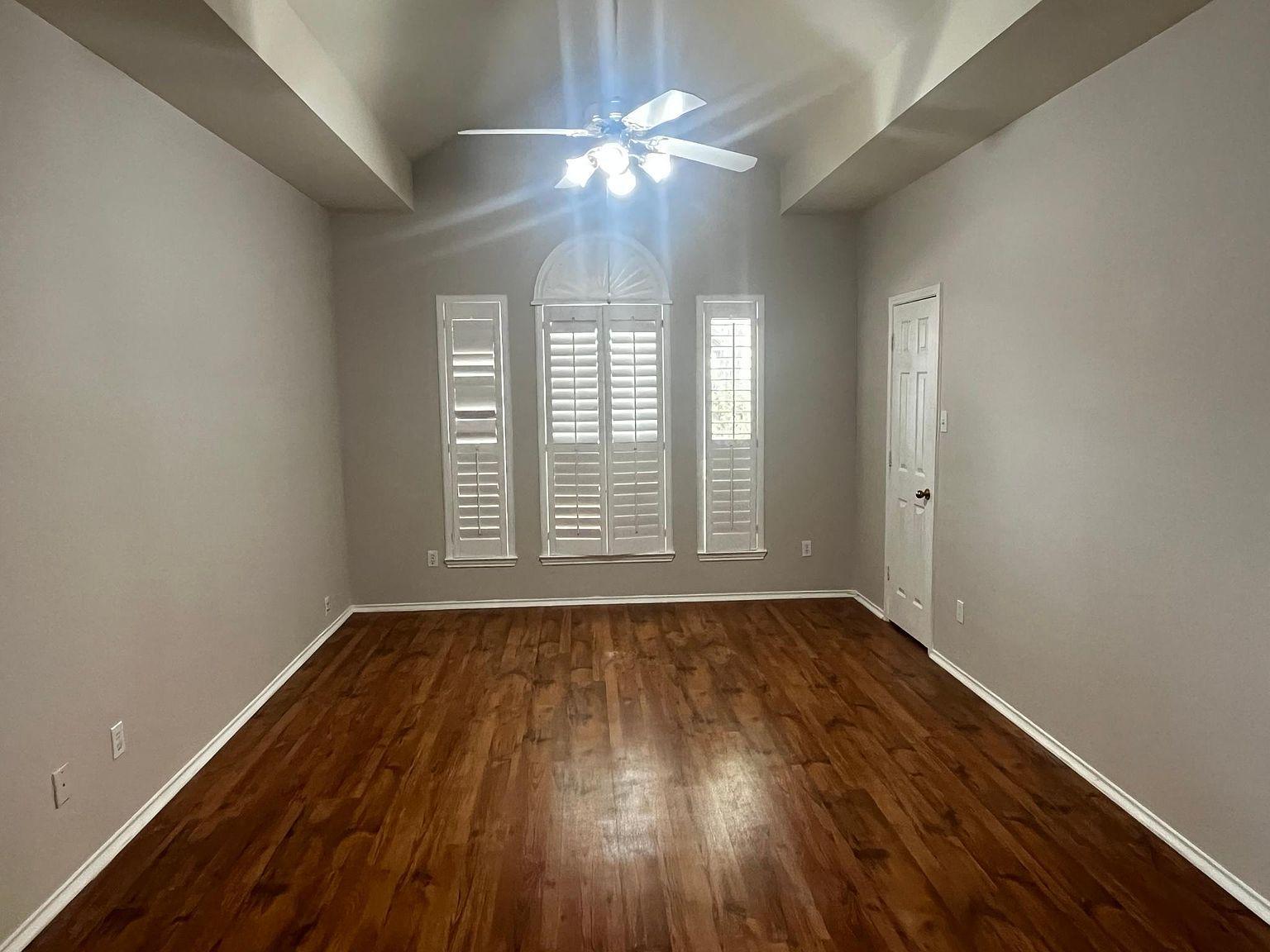
We just bought a house but we don’t have furniture yet. We’ve been eating on our back stoop for three months. Last week a Mexican woman with four children rang our doorbell and asked if our front room was for rent. I’m sorry, I said awkwardly, we live here. She was confused. But, she said, it’s empty.
It is empty. I hang curtains to hide the emptiness, but it remains empty. There wasn’t any furniture in the house where I grew up until a German cabinetmaker moved in with us. He arrived in a truck so heavy that it made a dent in the driveway. He filled our dining room with his furniture and then he made tiny replicas of that furniture with the machines he brought in the truck. I still have the tiny corner cabinet with lattice doors, the tiny hutch with brass knobs, and the tiny dining-room table with expertly turned legs. They’re in the basement, wrapped in newspaper. The tiny dresser sits atop my dresser, which is from IKEA.
The apartment we just left was furnished with shelves that John made out of cheap pine. They’re in the basement now, reduced to lumber. The ammunition box that I found on the curb and made into a coffee table is in the back yard, planted full of marigolds. I hate furniture, my father once murmured. He had just visited a warehouse full of furniture made out of unfinished pine. This was after the cabinetmaker went to a nursing home and his furniture went away, too. As a child, I burned a hole in the dining-room table. The cabinetmaker, who smoked a pipe, supplied me with matches. I loved to burn things, but I felt remorse over the table, which I also loved.
I burned a hole in the dining-room table. The lyric is tethered, in my mind, to the liner notes of a Billie Holiday album that I borrowed from the library in college. She was singing songs written by someone else, the notes explained, but she rewrote them with the way she sang. Her delivery transformed a banal portrait of moneyed life into a wry critique of that moneyed life.
















 Our Online Lost & Found