










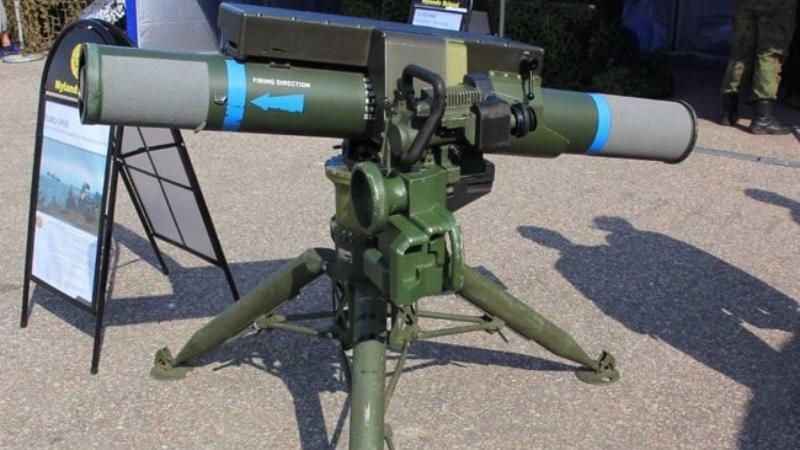














The Indian Army’s use of Anti-Tank Guided Missiles (ATGMs) to strike Pakistani military posts along the Line of Control (LoC) marks a significant turn in the ongoing conflict under Operation Sindoor. These missiles, known for their precision and destructive capability, were used to neutralize fortified enemy positions in response to Pakistani ceasefire violations and missile attacks. The offensive was part of a larger retaliation following the deadly Pahalgam terror attack, which killed
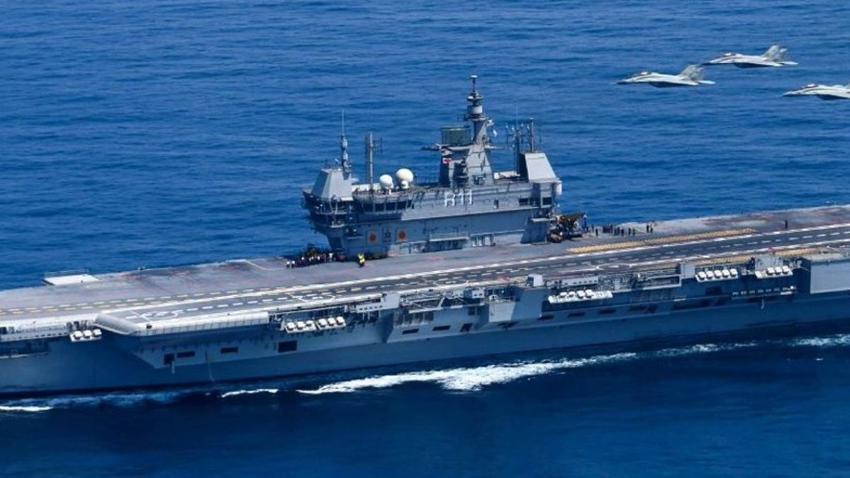
In a strong response to the recent Pahalgam terror attack, the Indian Armed Forces have stepped up their retaliation, marking a significant escalation in Indo-Pak tensions. Reports indicate that the Indian Navy has deployed 26 warships near Pakistan, including the powerful INS Vikrant, which is said to have taken position near Karachi Port. This move marks the first major naval mobilization of this scale since