
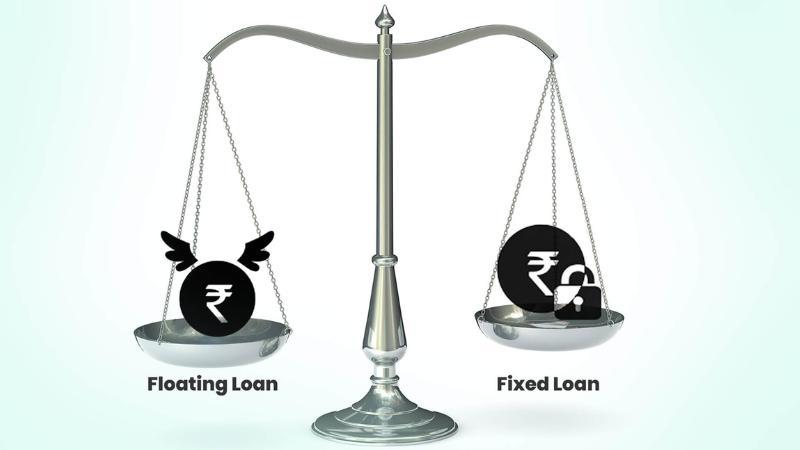
Choosing between a fixed and floating interest rate for a home loan is a crucial financial decision. Both options come with advantages and risks, and selecting the best one depends on your financial goals, market trends, and risk appetite. A fixed rate offers stability, while a floating rate provides flexibility and potential savings. Understanding the differences between these loan types will help you make an informed decision based on your repayment capacity and future market expectations.
Fixed Interest Rates: Stability but Higher Costs
A fixed interest rate means your Equated Monthly Installments (EMIs) remain constant throughout the loan tenure. This option is ideal for borrowers who prefer financial security and want to avoid market fluctuations.
- Predictability: Fixed EMIs make budgeting easier since the repayment amount does not change.
- Protection from rate hikes: Even if market interest rates increase, your loan remains unaffected.
- Best for short tenures: Fixed rates are more suitable for loans with 3 to 10-year tenures, ensuring stability.