

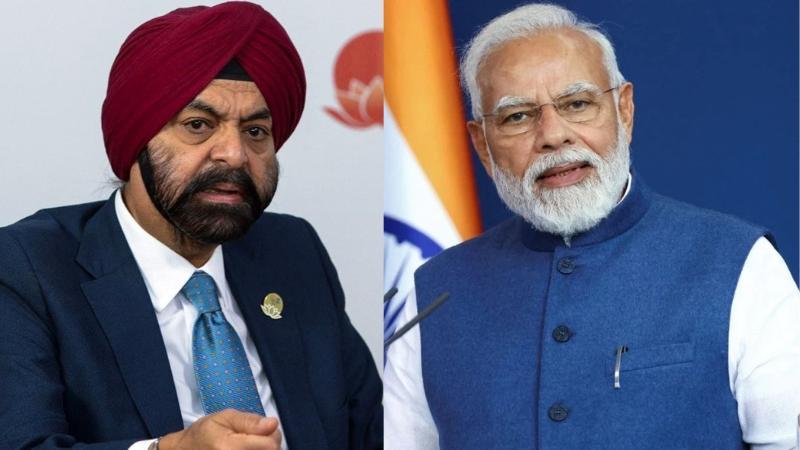
The Indus Waters Treaty, signed in 1960 by then Indian Prime Minister Jawaharlal Nehru and Pakistani President Mohammad Ayub Khan, had been a symbol of rare cooperation between the two countries despite several wars and periods of hostility. The treaty, brokered with the aid of the World Bank, governs the distribution of the Indus River and its tributaries between the two nations. As one of the treaty's signatories and facilitators, the World Bank has historically played a central role in mediating disagreements regarding water sharing.
India’s decision to suspend the treaty came in the wake of the Pahalgam terror attack, which resulted in casualties among Indian security personnel. In retaliation, India carried out targeted airstrikes on terrorist camps located in Pakistan and Pakistan-Occupied Kashmir. The response from Pakistan came swiftly, with attempted strikes on Indian military installations in 15 cities. However, those efforts were successfully neutralized. In a strong countermeasure, Indian forces carried out further airstrikes, including strikes on Pakistani air defence systems, escalating the situation further.